







Unsynchronised Lightbars
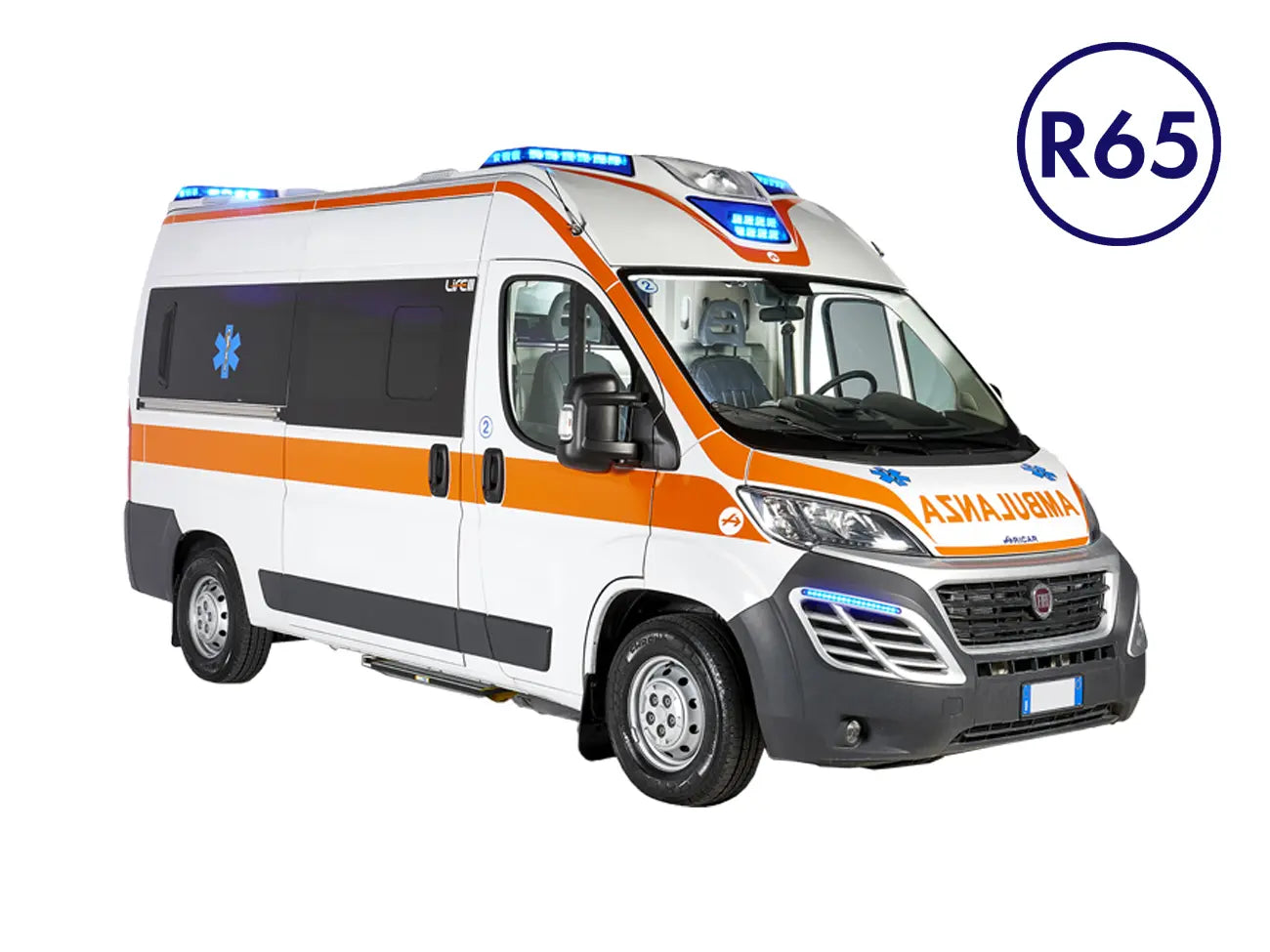
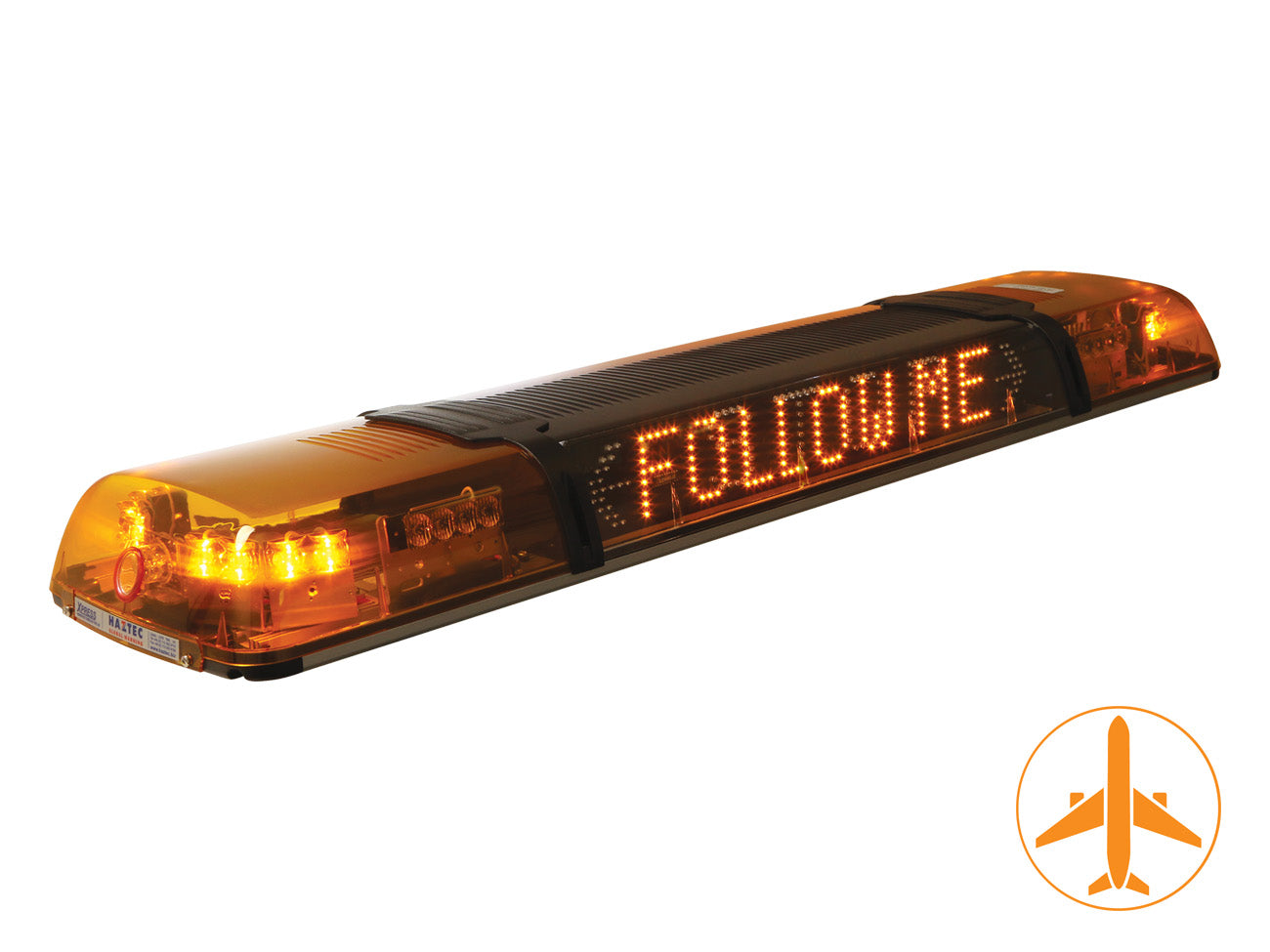
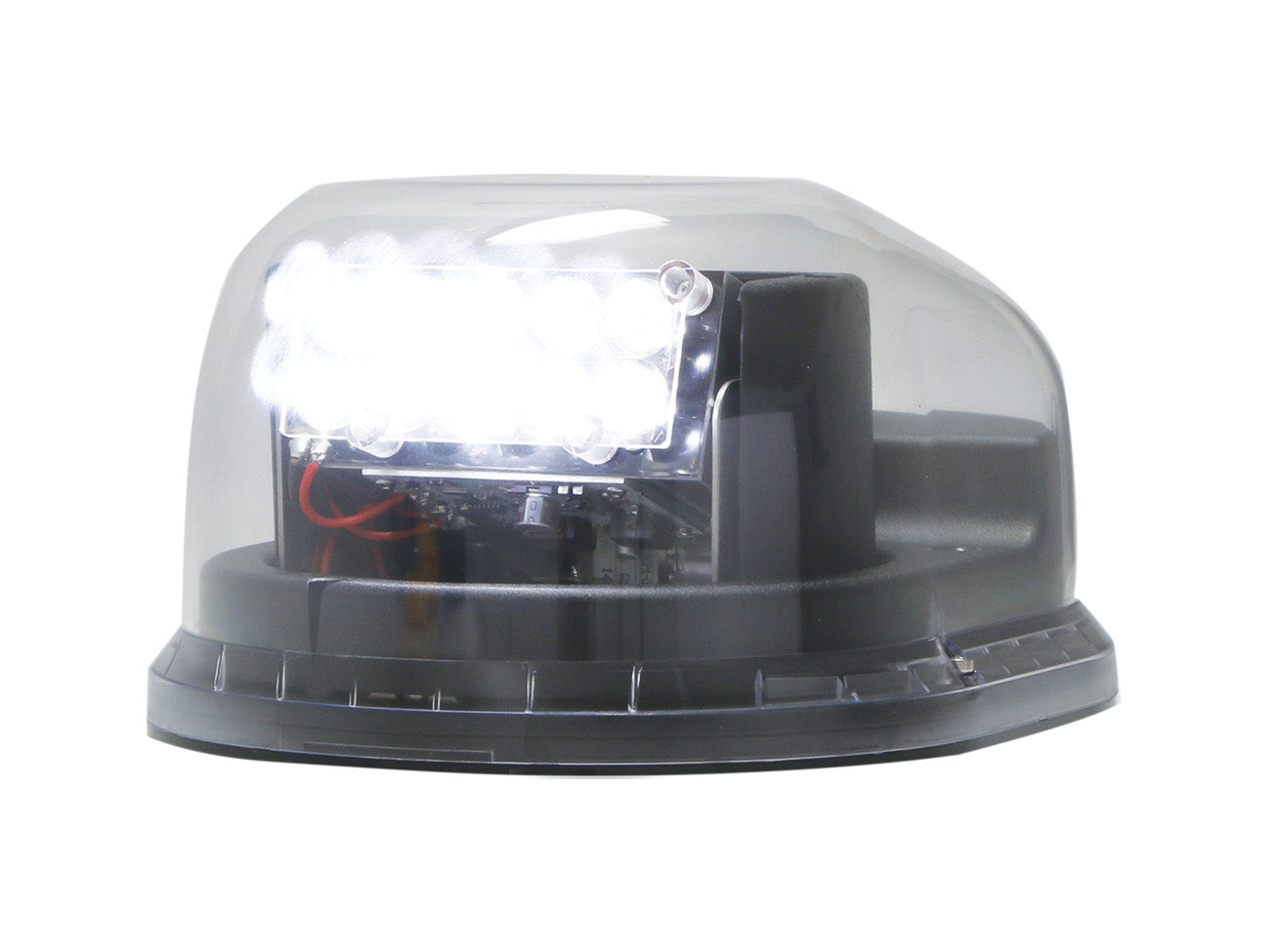
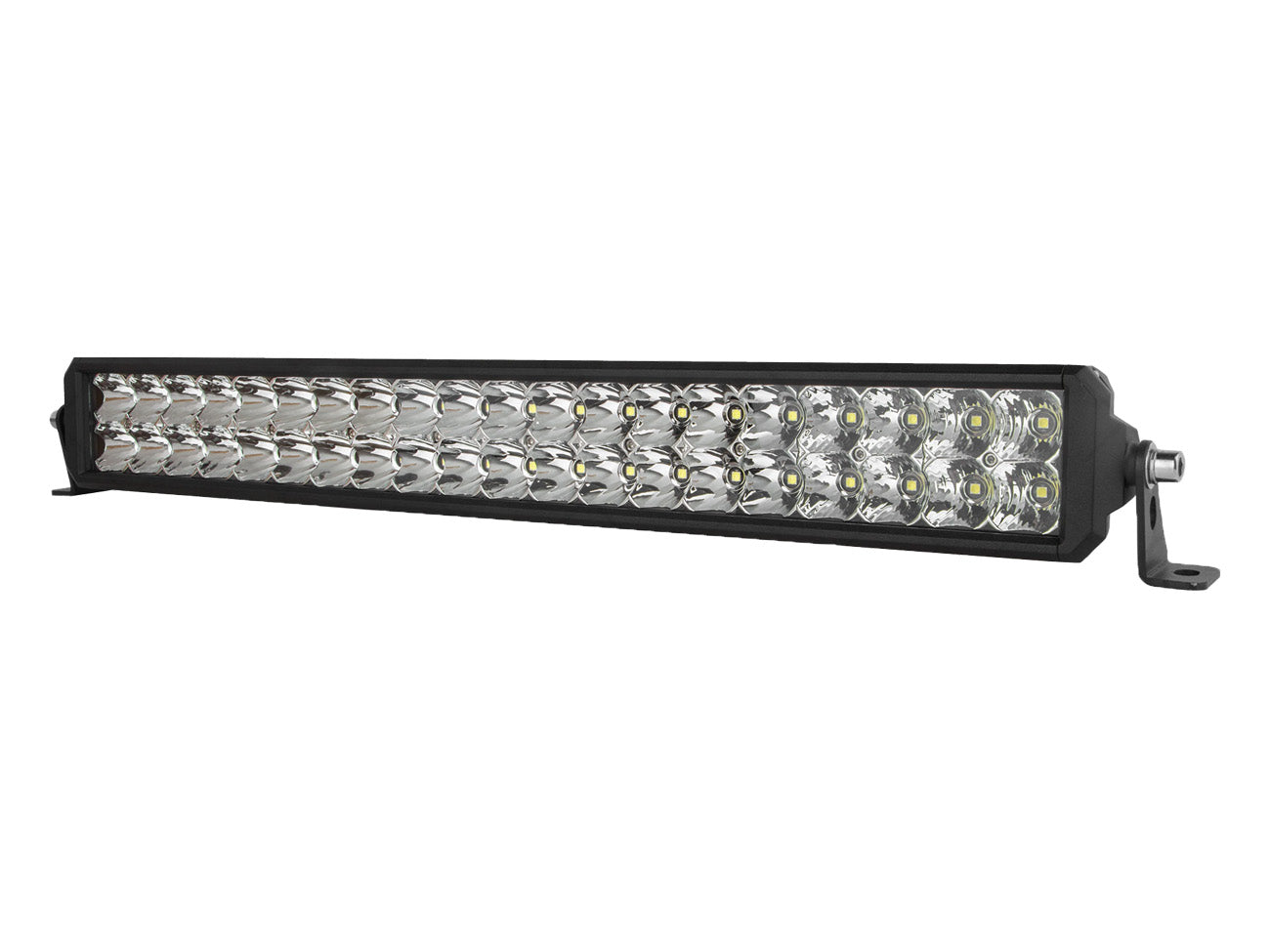
Modern LED lightbars are designed to command attention with their bright LED output and fast-moving flash patterns. They ensure emergency vehicles remain highly visible during high-speed response.
However, once vehicles arrive at a scene, the same intense lighting can become overwhelming. Multiple vehicles operating bright, unsynchronised flash patterns can cause visual disruption and glare with increased stress and unwanted distraction for those at the scene.

SmartSync
To overcome this, Haztec has developed a new system that allows vehicle warning light systems to automatically synchronise and if required automatically switch to an alternative flash pattern when reaching a scene.
The technology automatically detects when the vehicle has arrived at scene and sets the vehicle lighting into an automatic synchronised mode.
In this mode, all lights on all vehicles at the scene flash in a common synchronised pattern. This can either be the standard pattern fully synchronised between all vehicles or a customer defined dedicated “at scene” pattern e.g. a slower single flash.
Active Mobile Synchronisation
Recognising that there can be situations where it is advantageous to have synchronised lighting whilst multiple vehicles are travelling rather than only at scene – such as VIP escort convoys, the Haztec system also supports active mobile synchronisation. This for example enables all vehicles in a convoy to automatically have fully synchronised lighting.
Synchronised lighting in this way can make convoy conditions calmer and less stressful for convoy participants and can also make it easier for other road users to determine the start and finish of a convoy
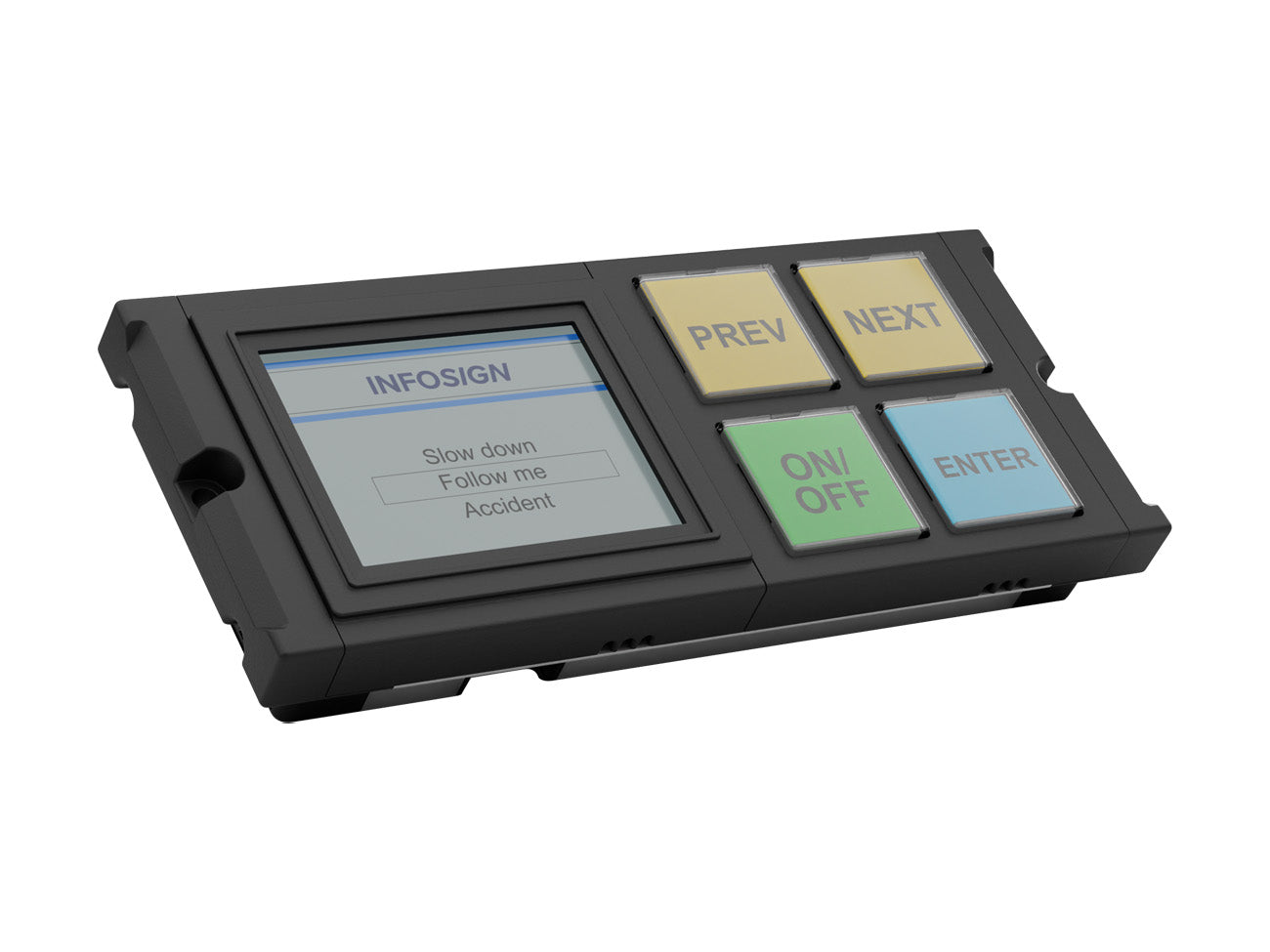
Designed for simplicity, the system is designed to minimise the need for user interaction, whilst the same time allowing the user to control system functionality should they wish to do so.
In fully automatic mode the system will deliberately avoid synchronising the warning lighting during pursuit situations to maximise the combined warning effect of the lighting from multiple vehicles, however when the vehicle comes to a stop at scene, synchronisation will occur automatically.
Alternatively if active synchronisation mode is selected, vehicles will synchronise automatically whilst driving and remain synchronised when stationary. Vehicle users can easily switch between modes at the press of a button should they wish.
Any number of vehicles can be part of a synchronised network and the system works over very large areas, there is no need for vehicles to be travelling or parked close together for synchronisation to function.